I know what it is like to feel disconnected from myself.
I have been on a journey ‘back’ to life. I have learned to live in a different way — and I would like to help you do the same.
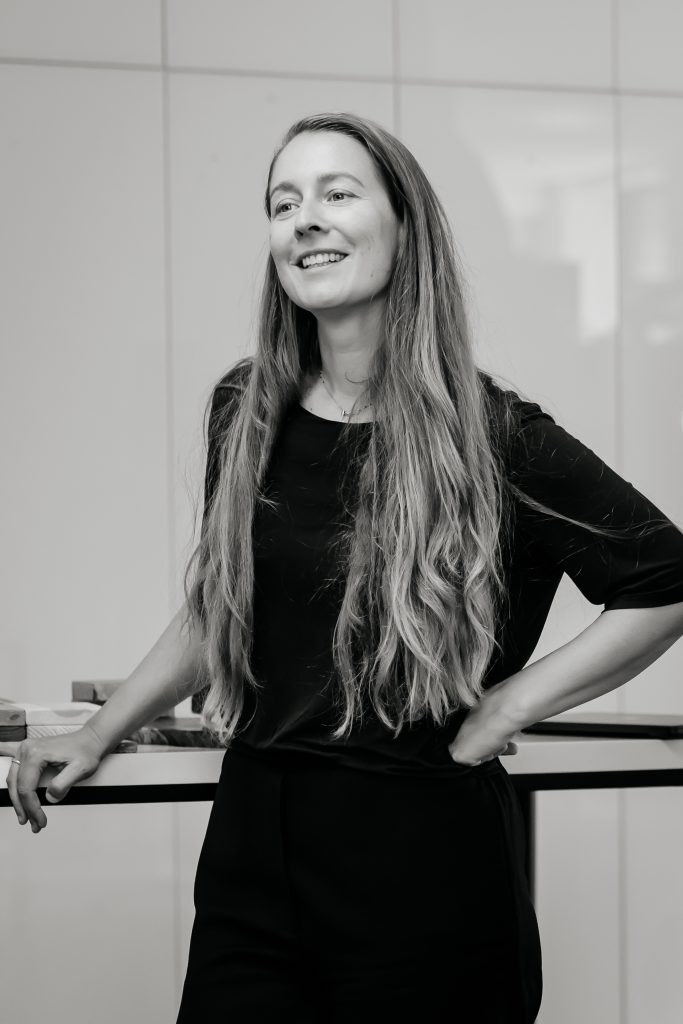
My own experience with therapy
The circumstances of my early life meant that I had to shut myself off from many emotions. I spent much of my childhood in children’s homes because of experiences of trauma and neglect. Navigating these experiences, I have relied on cognition — and used it well — to think my way through as much as I could. Unfortunately (and I say this with a smile), you cannot think your way out of the lasting effects of trauma — the inner states in which you can become stuck. Their roots lie beyond thought. Sense-making and mentalisation can certainly have a place in the process of working with yourself, and yet I found that understanding could only take me ‘so far’. For me, a profound shift in these inner states shaped by trauma occurred when I began working on myself through an emotion-focused approach.
Working with emotions does not mean setting thoughts and sense-making aside; it means that your emotions are given a central place in how we understand things. I approach therapy with the assumption that you are the expert on your own experience. My role is to meet you where you are and support you in experiencing the adaptive emotions that can open the way to a sense of resolution. This especially includes everything that is imperfect and everything that can so easily be pushed away because it feels shameful to look at — my experience has shown me that change comes through daring to feel.
I know from experience what it means to learn to take yourself seriously, treat yourself with care and create a life with greater well-being and ease. For me, therapy has been a journey ‘back’ to life. I have experienced for myself how crucial it can be to be met, understood and supported in my pain, uncertainty, confusion — and joy. I bring that experience with me into my work as a therapist.
There are many ways to be human. In our work together, there is room for honesty, care, seriousness, humour and joy.
What I bring with me
I hold a master’s degree in business administration and psychology (cand.merc.psyk.) and am in the fourth and final year of my training as an EFT therapist. For the past 15 years, I have worked in organisational development, project management and strategic communication across industries. I have been particularly interested in how people thrive, grow and take part in communities — and how we can create better conditions for collaboration, leadership and personal development. My work has focused especially on the psychosocial work environment, team development, differentiated leadership and preventing work-related distress.
I live in Frederiksberg with my daughter, my wife and our dog.
De Anbragtes Vilkår
Affiliated with this Danish NGO, which works to develop social policy for children and young people placed in out-of-home care. Member of the policy committee.
Qnet, Danish Red Cross
Volunteer leader responsible for matching volunteers with participating women, and for supporting them by aligning expectations, clarifying needs, adapting each programme and providing ongoing guidance.
Omdrejningspunktet
Facilitator of group therapy for women who are in, or have left, close relationships involving psychological abuse.
Education & background
I hold a master’s degree in business administration and psychology (cand.merc.psyk.) and am in the fourth and final year of my training as an EFT therapist. For the past 15 years, I have worked in organisational development, project management and strategic communication across industries. I have been particularly interested in how people thrive, grow and take part in communities — and how we can create better conditions for collaboration, leadership and personal development. My work has focused especially on the psychosocial work environment, team development, differentiated leadership and preventing work-related distress.
I live in Frederiksberg with my daughter, my wife and our dog.
Psychotherapy & community engagement
De Anbragtes Vilkår
Affiliated with this Danish NGO, which works to develop social policy for children and young people placed in out-of-home care. Member of the policy committee.
Qnet, Danish Red Cross
Volunteer leader responsible for matching volunteers with participating women, and for supporting them by aligning expectations, clarifying needs, adapting each programme and providing ongoing guidance.
Omdrejningspunktet
Facilitator of group therapy for women who are in, or have left, close relationships involving psychological abuse.